Friday, February 14, 2014

The Cultural Question

         
http://keychangenow.com/wp-content/uploads/2012/07/Culture_by_AagaardDS.jpg

            The culture of one's parentage should not have to be forced upon him.  A person is his own not what others desire him to be.  For if the child did not come from the society of his parents, then what possible direct connection could he possibly possess.  This a dilemma that modern day children struggle to face today in America.

http://justdan93.files.wordpress.com/2012/07/114.jpg

           Most people struggle to decide whether or not to embrace their cultural heritage, like Maggie, or to alienate themselves entirely to become something new, like Dee.  Neither of which are without benefit or without downsides.  The struggle of choice is one that happens in everything, but is one of the biggest issues with this uncertainty.  Some are ambivalent and others indecisive.  But there may be a third option to this ordeal.

http://31.media.tumblr.com/tumblr_m5r0064lck1rn95k2o1_500.gif
 
 
         The third option is to obtain the hybridization of both options, where certain aspects of your heritage are reflected in your everyday self.  You shouldn't have to decide on whether to be yourself or to take part in where your family is from.  The way your parents raised you should have had an impact on who you are and what you will become.  This is regardless of whether you embrace their roots or not.
 
  http://thumbs.dreamstime.com/z/mother-baby-reflection-mirror-bathroom-portrait-34073579.jpg
 
 
           What I personally do to be the third option is nothing.  Parts of the culture of my parents are reflected in my manner and in my actions.  I don't have to try to embrace my heritage, nor do I alienate myself from it.  I chose the third path simply by being me.  Isn't that how culture grows without a revolution having to take place?  So for now I will continue walking down the third path, unworried by the triviality of ambivalence over my culture.

Tuesday, February 4, 2014

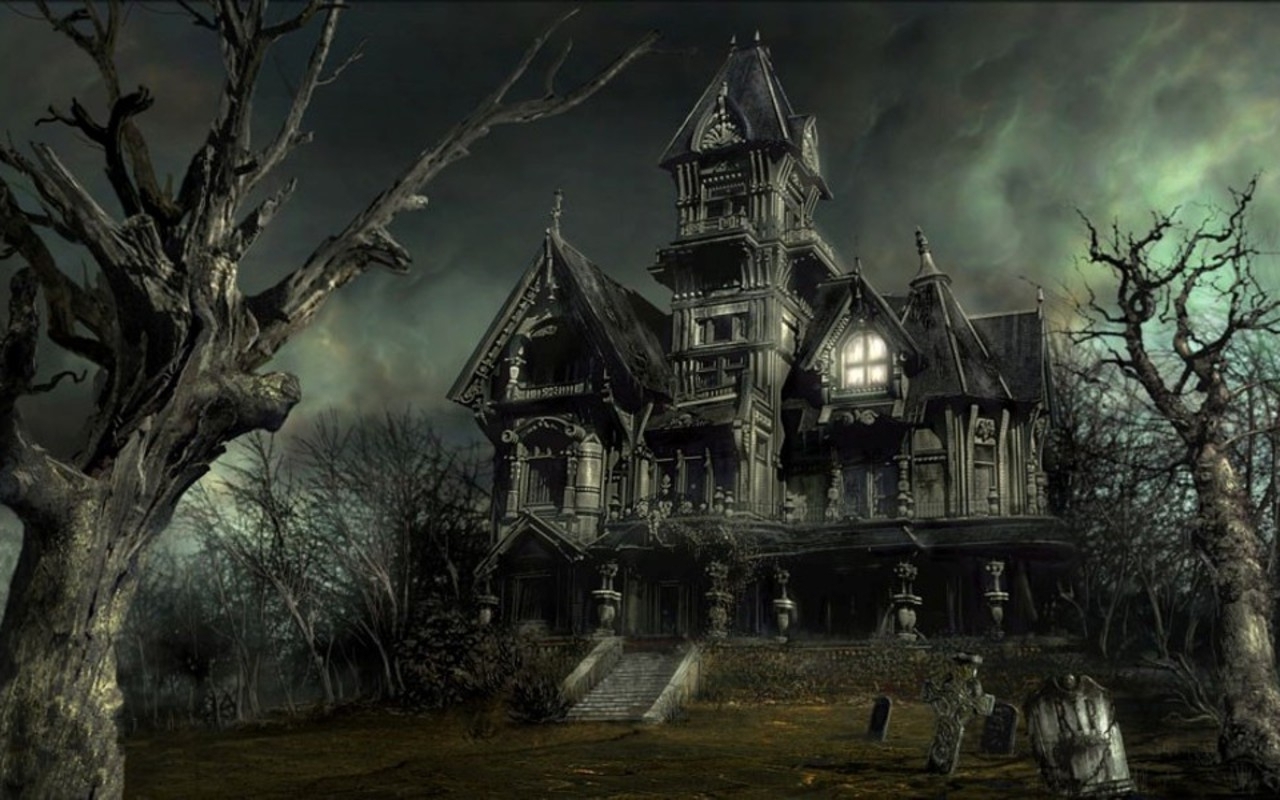
The Definition of the Horror Story


http://moviewriternyu.files.wordpress.com/2013/10/haunted-house.jpg


      Here are a list of things I would incorporate from the Fall of the House of Usher by Edgar Allen Poe into the writing of a horror movie.

  • The dark ominous setting.  The setting sets the mood in any story.  A dark setting with creeping, pale, obscuring fog, ancient architecture, and shifting, deep shadows adds to the effect of the unnatural.  Poe did this in the House of Usher to great effect. I would use this to plant the seed of fear and suspense in my audience.   
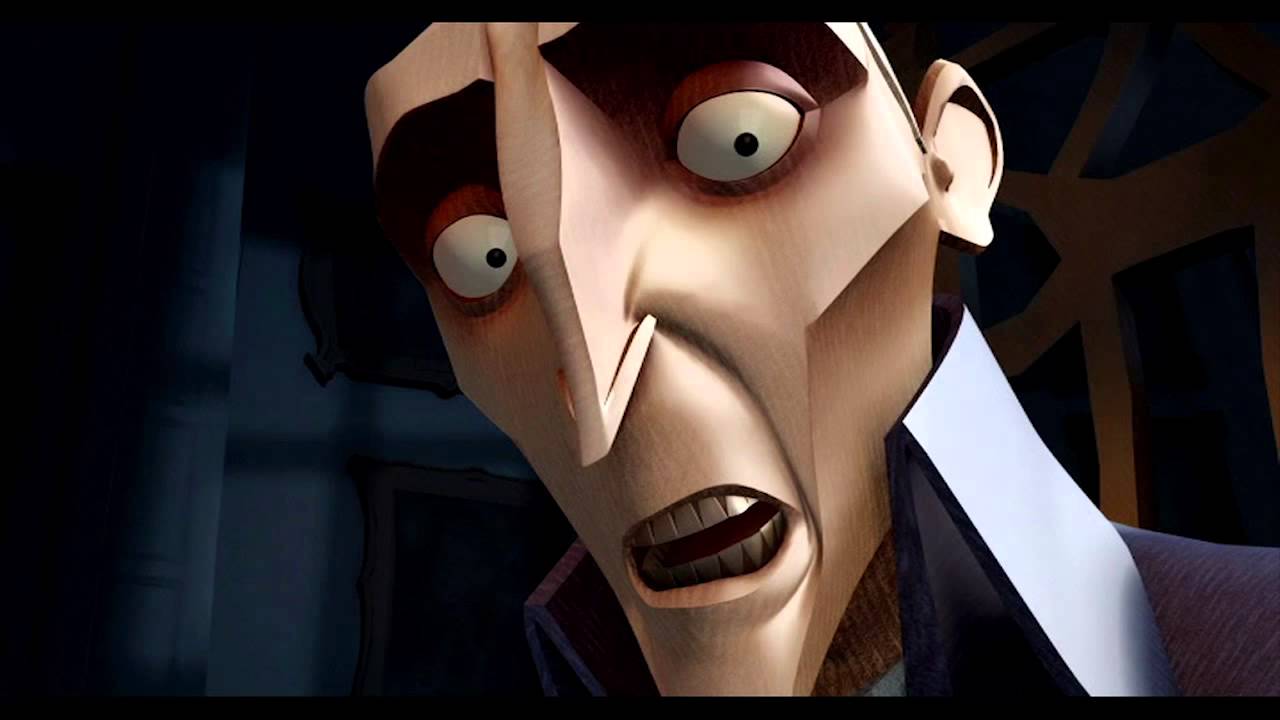
  •  The portryal of characters.  The characters of a horror story are as equally important to the story as the setting.  Pale, mysterious, brooding characters help to reinforce the unnatural, unsettling the audience.  Roderick Usher is one such character.  Poe depicts him as unnaturally deathly and makes his appearance and mood detached and ethereal.  I would create my characters in such a way as to ensconce the peculiarity of the story, unnerving the audience.
http://i1.ytimg.com/vi/C_3JdKoQ914/maxresdefault.jpg
 
  • The supernatural or ethereal is a key part in a horror story.  Poe uses this when the Mad Tryst is being read and the sounds of the story happen in reality.  This sows fear into the characters and, further, the audience.  I would use the abnormal and supernatural in order to establish the plot and aid it along.
http://fc07.deviantart.net/fs10/i/2006/098/6/a/Ethereal_Darkness__onesixone_by_Loves_Black_and_Blue.jpg
 
 
  • The fear of the unknown is a primal fear found in all.  It is a very useful tool in acquiring the basis of a horror story.  Poe gives brief unsettling instances of the narrator seeing Madeline even though she is dead.  The noises during the Mad Tryst are another example of that.  I would use the fear of the unknown to create suspense in the story.
http://www.jordanmaylea.com/wp-content/uploads/2013/04/fear.jpg
 
  • The creation of doubt and mystery at the end is another good item to use.  Poe destroys the house in a flash of light and the house sinks.  This raises the question of the reality of the situation.  Did it really happen?  Am I delusional?  This would leave a disturbed feeling in the audience and would further facilitate the fear in the story.
https://blogger.googleusercontent.com/img/b/R29vZ2xl/AVvXsEh4XfpVQd08Nm6sq8n2USWAeY9STPDQ8O2fGOhkNH49lg0AIbbsR1yrc9aegWTpW_g2eQqC2PEYaNQAZXs8BWcY3VtHg7HD5-336SWEfjO-FVntVb5p7whfaa1euyeWrB3Q_cf63gzkzebI/s1600/mystery.gif


Tuesday, January 28, 2014

The Fault of Finding Fault


               Finding fault in people, especially leaders, leads to harm and static motion.  Any potentially brilliant ideas get shot down when the person is "the cause" of whatever is a matter with the world.  Not only does this prevent some potential progress but also furthers the downfall of the said person's character.  The United States has a tendency to do just this with its leaders in government.


 http://www.nps.gov/heho/historyculture/images/herbet_hoover_415w.jpg

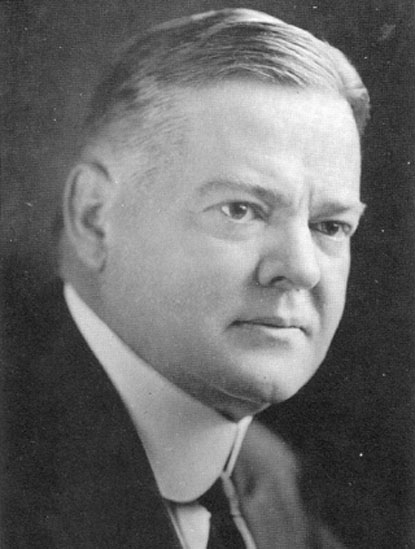
               President Herbert Hoover was one of the presidents in office during the Great Depression.  Many Americans blamed him for the Great Depression.  This made a lot of trouble for him during his time in office.
One of his ideas was to end the laissez faire policy of America thus the government having direct intervention to help the economy recover.  The mere thought of this plan had many Americans angered at its suggestion because laissez faire was one the most important of American ideals.

               
http://a.abcnews.go.com/images/Business/abc_great_depression_081009_main.jpg

    
            Maybe his sentiments for solving the Depression could have solved it, but who is to say.  The scrutiny a blame on him made him lose in a landslide to Roosevelt.  Eventually the economy bounced back, in part due to WWII.  The world is full of possibility; maybe his plans would have worked.

           The many choices and ideas one can fulfill sometimes become blocked due to who we are painted as.
If we are blamed for the devestation of today, then are we doomed by a lack of redemption.  For it takes much time to rebuild trust, even when it is unjustly  taken.  Humanity should strive to consider the options of others if they can help and not block them because of who suggests them.

Friday, January 17, 2014

                         The Antihero of our Time


http://www.scifinow.co.uk/wp-content/uploads/2011/08/Severus-Snape-severus-snape-9231025-2560-1703.jpg

              An antihero is a protagonist who lacks the pure hero moral compass.  They could be lacking mercy or nobility of character that the "normal" view of a hero would usually be.  People usually have conflicted feelings over such a character because they adore him but are simultaneously unsure about supporting some of his darker traits.

              Severus Snape, from the Harry Potter series, is one example of an antihero.  He is "one of the good guys," but he also is a major rival to Harry Potter.  Snape is a spy for Dumbledore, the headmaster of Hogwarts and nemesis to the dark, evil wizard Voldemort.  In being so, he is often called upon to carry out deeds of both the light and the dark.


https://d202m5krfqbpi5.cloudfront.net/groups/1284327679p8/38023.jpg


                     Snape, throughout the book, partially antagonizes Harry Potter causing Harry to believe Snape as a man of bad character.  Harry isn't entirely wrong however.  Snape did tell Voldemort about a prophecy in order to spare Lily, Harry's mother and Snape's love, which caused Voldemort to go to kill Harry's parents and attempt to kill Harry himself.  He turned spy for Dumbledore after that.

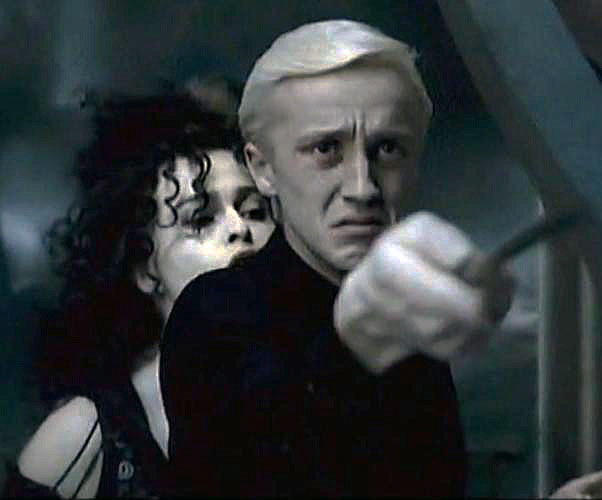
                 Snape eventually killed Dumbledore.  As a result most people lost faith in Snape as a good guy, but his reasons revealed more of his light.  Dumbledore was cursed by a ring and was about to die soon anyway, also Draco Malfoy, a student at Hogwarts was sent to kill Dumbledore, and Severus killed Dumbledore so that Malfoy would not become a murderer.

http://static2.wikia.nocookie.net/__cb20090518154907/harrypotter/images/0/05/Draco_Dumbledore_HBP_2.jpg


                  In the end, at Snape's end, the best of Snape is revealed.  The reason's for his darker deeds and characteristics.  His memories revealed that he was a "good guy" in the end.

                  Snape has relations to the character of Ichabod Crane from Sleepy Hollow.  They both have a measure of selfishness: Snape's exemplified through revealing the prophecy to Voldemort to protect Lily,even thought she was married to James Potter, and Ichobod in his desiring to marry a girl to receive wealth.  They both are teachers at their respective schools and are not hesitant to discipline their more rambunctious students.  The third thing is that they both desired women they could not have: Snape with Lily, and Ichabod with Katrina.

                 Snape is an Antihero.